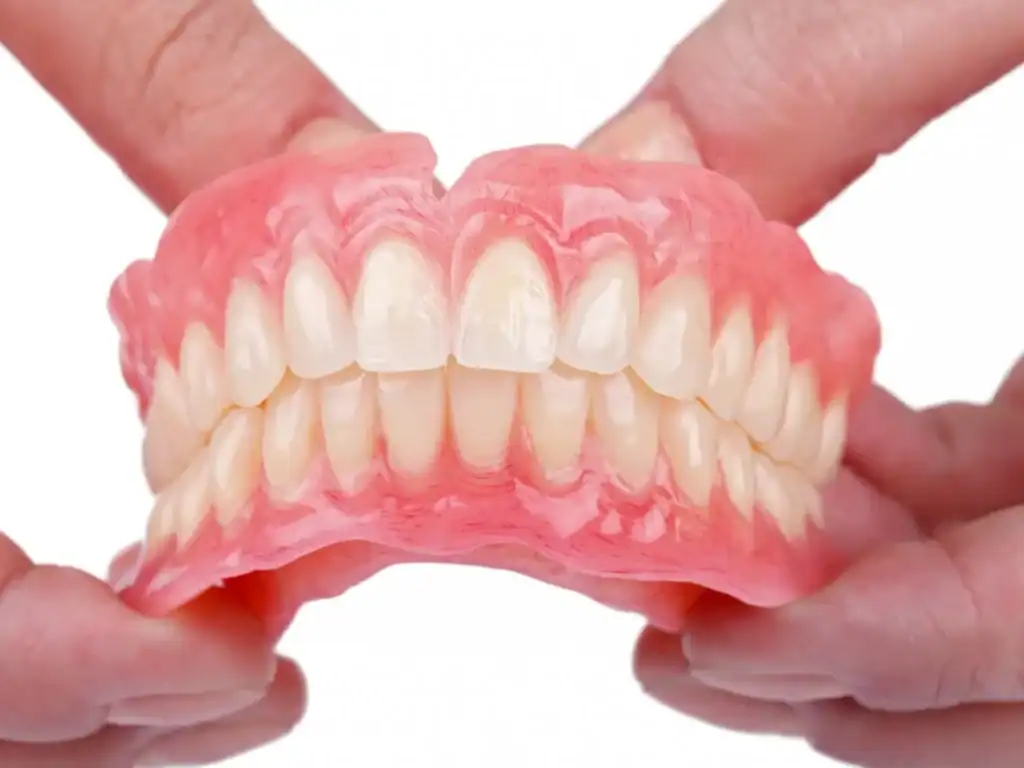
A small chip on a front tooth or a narrow gap you have never liked can bother you more than its size suggests. The good news is that these flaws are often simple to fix with dental bonding, a tooth-colored resin that repairs chips, closes small gaps, and reshapes teeth, usually in a single visit.
But bonding is not the right answer for every smile, and sometimes porcelain veneers are the better long-term choice. At Blooming Dental in Des Moines and Lynnwood, WA, cosmetic cases are planned by Dr. Sung Wook Yoon, a prosthodontist who looks at your bite as well as your smile before recommending either one.
This guide explains what teeth bonding can fix, how the appointment works, how long it lasts, what it costs, and how to tell when veneers are worth the extra investment.
Dental Bonding: The Short Answer
Dental bonding is a quick, conservative way to fix small cosmetic flaws on one or a few teeth. It usually needs little or no drilling, is finished the same day, and typically lasts about 3 to 7 years before it needs a touch-up or replacement.
Porcelain veneers cost more and take two to three visits, but they resist stains and often last 10 to 20 years or more. As a rule of thumb, bonding suits small repairs, while veneers suit bigger changes across several teeth.
What Is Dental Bonding?
Dental bonding, also called composite bonding or tooth bonding, adds tooth-colored material directly to the surface of your tooth. The material is a composite resin, the same family of material used for white fillings.
Your dentist sculpts the resin by hand, hardens it with a special light, and polishes it to blend in with the teeth around it. Because the resin is built up on the surface, bonding usually needs little or no drilling, and many patients need no numbing at all.
That makes bonding one of the most conservative cosmetic treatments available. Cleveland Clinic notes that, unlike porcelain veneers, dental bonding is reversible.
What Dental Bonding Can Fix
Bonding works well for small, specific problems on a few teeth. It is commonly used for:
- Chipped teeth: Small chips on the edges of front teeth are one of the most common reasons people choose bonding.
- Minor cracks: A thin layer of resin can cover and smooth a small crack in the enamel.
- Small gaps: Narrow spaces between front teeth can often be closed by adding resin to the sides of the teeth.
- Worn or uneven edges: Bonding can even out edges that have worn down or chipped over time.
- Short or misshapen teeth: A tooth that is a little short, small, or pointed can be lengthened or reshaped to match its neighbors.
- Minor stains: Some small discolored spots can be covered with a thin layer of resin.
If you are considering teeth bonding for gaps, the size of the space matters. Small gaps between healthy front teeth often close nicely with resin, while larger spaces may look more natural if the teeth are moved first.
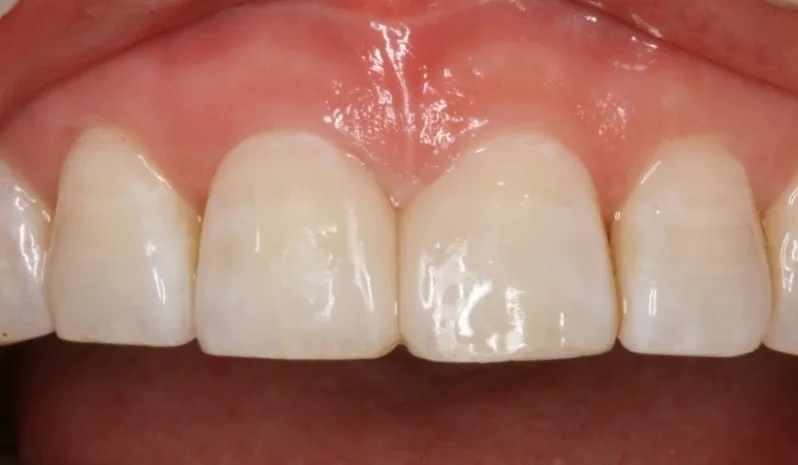
After photo from our smile gallery: a gap between the upper front teeth, closed with cosmetic bonding. Results vary from patient to patient.
Our smile gallery shows the before photo for this case, along with other cosmetic results.
Who Is a Good Candidate for Teeth Bonding?
Teeth bonding tends to suit people who want a small, conservative change and have healthy teeth and gums. You may be a good candidate if:
- You have one or two small chips, a minor crack, or a narrow gap
- Your teeth and gums are healthy, with no untreated decay or gum disease
- You want a quick, budget-friendly fix that keeps as much natural tooth as possible
- You would like to try a new tooth shape before committing to veneers
Bonding may not be the right fit if you grind or clench heavily without protection, if a tooth is badly broken or heavily filled, or if you want to change the color and shape of many teeth at once. In those cases, your dentist may suggest veneers, a crown, or orthodontic treatment instead.
Our cosmetic dentistry page covers the full range of options, from whitening and bonding to veneers and smile makeovers.
What Happens at a Dental Bonding Appointment
Bonding one tooth usually takes about 30 to 60 minutes, and the work is normally finished in a single visit. At Blooming Dental, your evaluation can also include a Digital Smile Design preview, so you can see the planned shape before any resin is placed.
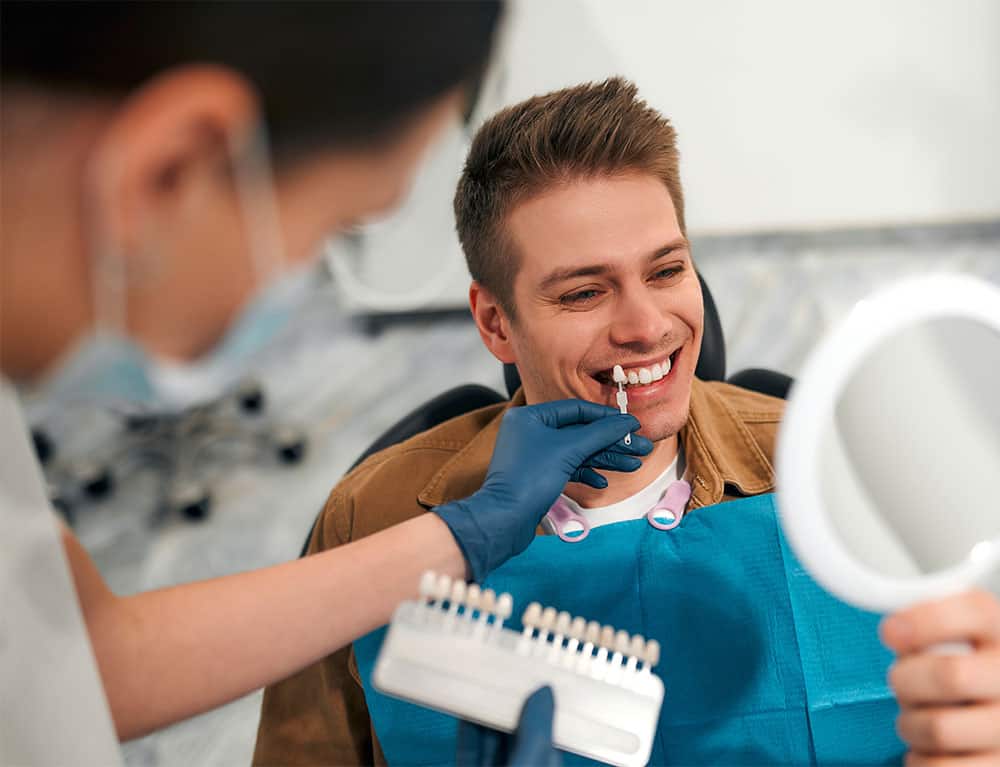
- Shade matching: Your dentist chooses a resin shade that matches your natural teeth. If you are thinking about whitening, do it first, because whitening works on natural teeth but does not change the color of bonding.
- Preparing the tooth: The surface is lightly roughened, and a conditioning liquid is applied to help the resin grip the tooth.
- Building and shaping: The resin is applied in thin layers and sculpted into shape.
- Curing: A special blue light hardens each layer in seconds.
- Polishing: The final shape is refined, checked against your bite, and polished to a natural shine.
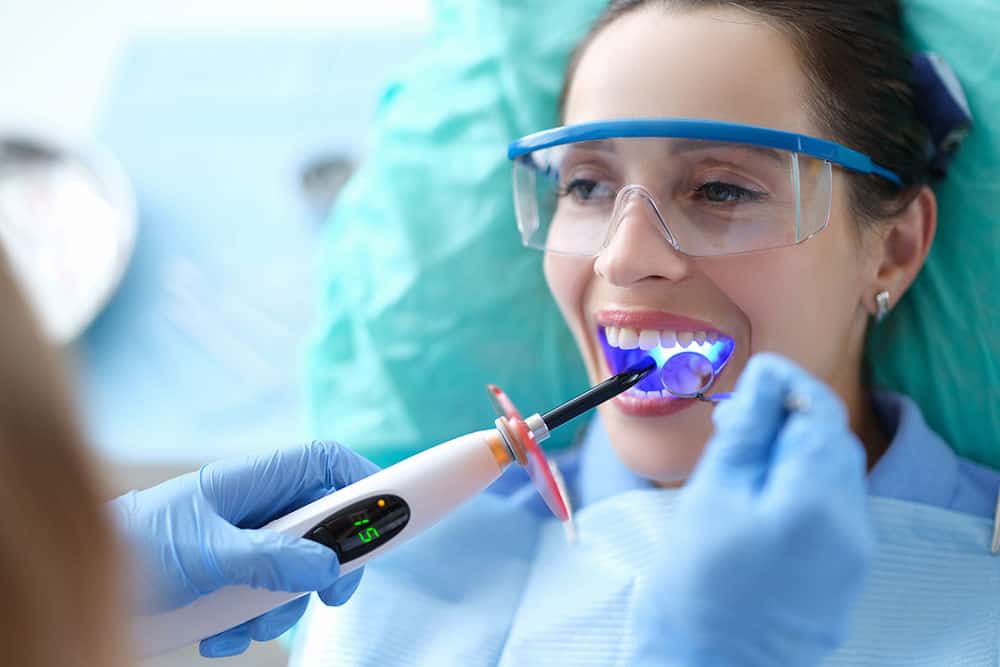
You can usually eat and go back to your day right after. There is no lab work and no second visit to wait for.
How Long Does Dental Bonding Last?
With good care, dental bonding typically lasts about 3 to 7 years before it needs a touch-up or replacement. How long yours lasts depends on:
- Where it is: Bonding on the biting edges of front teeth takes more stress than bonding on the sides.
- Your habits: Biting nails, chewing pens, or opening packages with your teeth can chip the resin.
- Grinding and clenching: Night grinding puts heavy force on bonded edges.
- Diet and smoking: Coffee, tea, red wine, and smoking can stain composite over time.
The upside is that bonding is easy to repair. A small chip can often be smoothed or patched in one visit, without redoing the whole tooth.
Teeth Bonding Disadvantages
The main trade-offs are durability and color. Cleveland Clinic notes that bonding does not resist stains as well as porcelain, can chip over time, and is not as long-lasting as veneers or crowns.
None of these is a reason to avoid bonding. They are simply why bonding is usually the right call for small fixes and less often the right call for a full smile makeover.
Teeth Bonding vs Veneers: When Veneers Are the Better Call
Bonding and veneers can fix many of the same problems. The difference is in how they are made, how long they last, and how big a change they can handle.
| Feature | Dental Bonding | Porcelain Veneers |
|---|---|---|
| Material | Composite resin, shaped in the chair | Thin porcelain shells, made in a lab |
| Visits | Usually one | Usually two to three |
| Tooth preparation | Little or none | Minimal, or none with no-prep veneers |
| Stain resistance | Can stain over time | Highly stain-resistant |
| Typical lifespan | About 3 to 7 years | About 10 to 20+ years |
| National average cost | About $431 per tooth | About $1,765 per tooth |
The costs in the table are national averages from studies conducted for CareCredit, not Blooming Dental fees. The cost section below explains what they include.
At Blooming Dental, veneers are planned with Digital Smile Design and made by a lab ceramist, and minimal-prep or no-prep techniques are used whenever possible to preserve natural enamel.
Veneers Are Often the Better Choice When:
- You want to change several teeth at once: For a row of six to ten upper front teeth, veneers usually give a more even, consistent result.
- The chip or gap is large: Bigger repairs built only from resin are more likely to chip or break.
- The discoloration is dark or widespread: A porcelain veneer covers the whole front of the tooth, which often gives a more even color than a thin layer of resin.
- You want long-lasting stain resistance: Porcelain keeps its color better than composite.
- The same tooth keeps chipping: If bonding has been repaired several times, a veneer may hold up better.
Bonding Is Often the Better Choice When:
- You have one or two small chips or a narrow gap
- You want a quick, budget-friendly fix
- You would like to keep as much natural tooth as possible
- You want to try a new tooth shape before committing to veneers
We think of bonding as the conservative, reversible alternative to veneers for minor improvements. Many patients start with bonding on one or two teeth and choose veneers later, when they want a bigger change.
You can compare both treatments in more detail on our veneers and bonding page.
Why Your Bite Matters as Much as Your Smile
This is where a prosthodontist’s view makes a difference. Many bonding failures do not come from the material itself; they come from the bite. If your lower teeth hit the edge of a bonded tooth hard, or if you grind at night, the resin can chip again and again.
Before recommending bonding or veneers, Dr. Yoon looks at how your teeth meet, how you chew, and whether you show signs of grinding. Sometimes the plan includes a custom night guard to protect the result, which our TMJ and bruxism treatment page explains.
Other times, a small gap is better closed by moving the teeth first. You can read about that option in our posts on fixing gaps between teeth with Invisalign and aligning teeth before veneers or bonding.
If a tooth is badly broken or has a large old filling, a crown may be stronger than either bonding or a veneer. Our guide to crown materials and what affects their cost explains those options.
How Much Is Dental Bonding?
Dental bonding cost depends on how many teeth are treated, how much resin is needed, and how complex the shaping is. Dentists typically charge per tooth.
As a national reference point, not a quote, a 2024 cost study conducted for CareCredit put the average cost of teeth bonding at about $431, with a range of $288 to $915. The same study listed an average of about $527 in Washington State.
Dental Bonding Cost vs Veneers
Porcelain veneers cost more upfront. A 2023 to 2024 cost study conducted for CareCredit put the average porcelain veneer at about $1,765 per tooth.
Because bonding may need touch-ups or replacement sooner, it is worth comparing the cost over the years, not just the first visit. At those national averages, bonding the same tooth twice (about $862) still costs less than one porcelain veneer, but your own fees and how long each restoration lasts decide the real comparison.
Is Teeth Bonding Covered by Insurance?
Insurance may cover part of bonding when it repairs a structural problem, such as a chipped or cracked tooth. Purely cosmetic bonding, such as closing a small gap, usually is not covered.
At Blooming Dental, we accept Delta Dental and UHC plans and file claims as an out-of-network provider for other insurance. We check your benefits before treatment at no charge and give you a written estimate before you commit.
If there is a remaining balance, CareCredit, Cherry, Lending Club, and HFD offer monthly payment plans, and HSA and FSA funds are accepted. See our financing and insurance options for details.
Caring for Bonded Teeth
- Brush twice a day with a non-abrasive toothpaste, and floss daily
- Avoid biting nails, ice, pens, and hard candy with bonded teeth
- Limit coffee, tea, and red wine, or rinse with water afterward to reduce staining
- Wear a night guard if you grind or clench
- Keep up with regular checkups, so small chips can be fixed early
If you are planning to whiten, remember that whitening does not change the color of bonding, crowns, or veneers. Our teeth whitening page explains the in-office and take-home options.
Questions to Ask Before Bonding or Veneers
These questions help you compare options and avoid surprises:
- Is bonding or a veneer the better fit for this tooth, and why?
- How long should I expect the result to last with my bite and habits?
- Should I whiten my teeth before the shade is matched?
- Can I see a Digital Smile Design preview before treatment starts?
- Will I need a night guard to protect the result?
- What will my insurance pay, and what does the written estimate include?
To get answers for your own smile, call our Des Moines office at (253) 838-4363 or our Lynnwood office at (425) 775-1800, or request an appointment online.
Frequently Asked Questions
Does dental bonding hurt?
Usually not. Bonding often needs little or no drilling, so many patients do not need numbing at all.
How much does teeth bonding cost?
As a national reference point, a 2024 cost study conducted for CareCredit put the average at about $431 per tooth, with a range of $288 to $915. Your fee depends on how many teeth are treated and how much shaping each one needs.
How long does composite bonding last?
Often about 3 to 7 years with good care. It depends on where the bonding is, your bite, and your habits, and small chips can usually be repaired.
Can bonded teeth be whitened?
No. Composite resin does not change color with whitening. If you want whiter teeth, whiten first, and then match the bonding to your new shade.
Is bonding or veneers better for a chipped tooth?
For a small chip on one tooth, bonding is often the simplest choice. For larger chips, several teeth, or deep stains, veneers may give a longer-lasting result.
Can bonding close a gap between front teeth?
Often, yes. Small gaps between healthy front teeth can usually be closed by adding resin to the sides of the teeth. Larger gaps may look more natural if the teeth are moved first with orthodontic treatment.
Is dental bonding covered by insurance?
It may be partly covered when it repairs a chipped or cracked tooth. Purely cosmetic bonding usually is not covered. We check your benefits before treatment at no charge.
Is dental bonding reversible?
Generally, yes. Because little or no enamel is removed, bonding can usually be adjusted, repaired, or replaced later, including with a veneer if you want a bigger change.

Schedule a consultation and leave with a clear, personalized plan — including what insurance covers and what financing looks like.