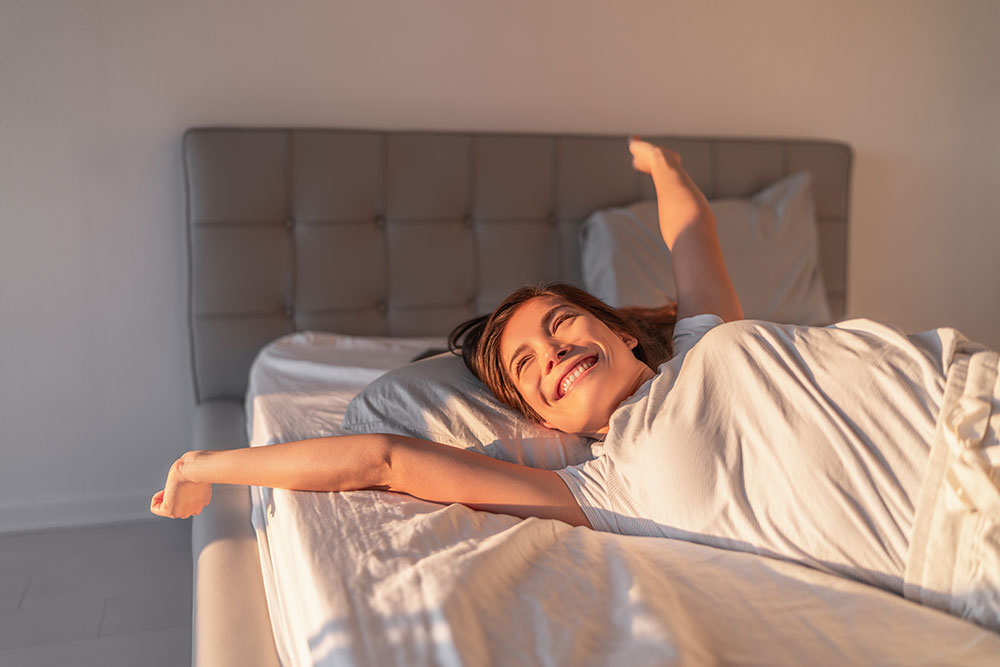
If CPAP feels uncomfortable, claustrophobic or too loud — or snoring is disrupting your household — custom oral appliances offer a quieter, simpler alternative, coordinated with your sleep physician.
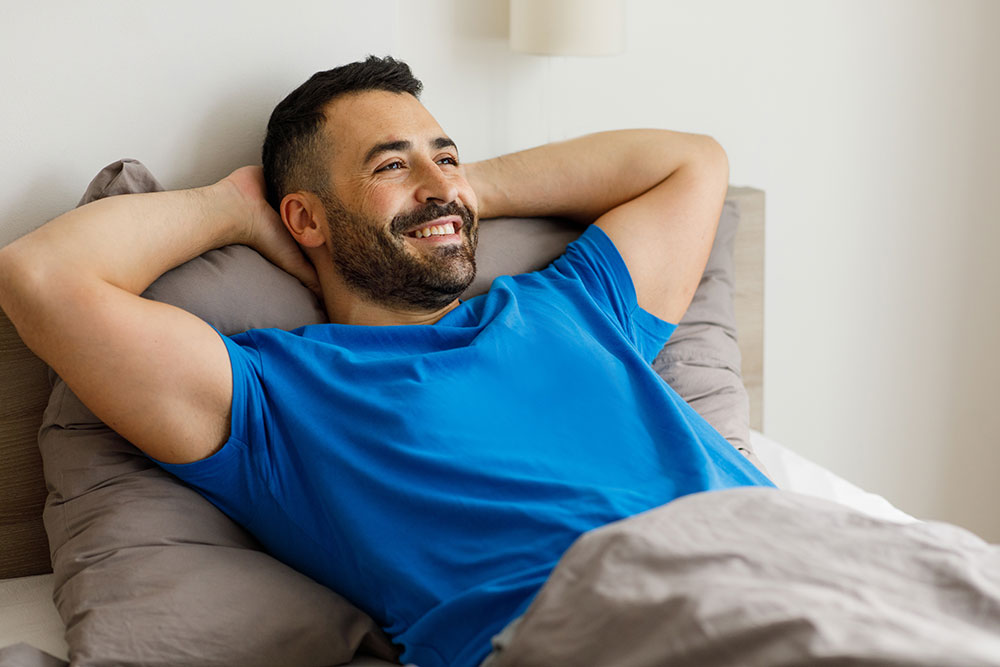
Custom oral appliances that reposition the jaw during sleep — keeping your airway open, reducing snoring and improving breathing.
We provide oral appliance therapy for diagnosed sleep apnea (prescribed by a physician), CPAP intolerance, snoring and bruxism. We cannot diagnose sleep apnea — that requires a physician and a sleep study — so we coordinate with local sleep specialists to make sure diagnosis and treatment are done properly.
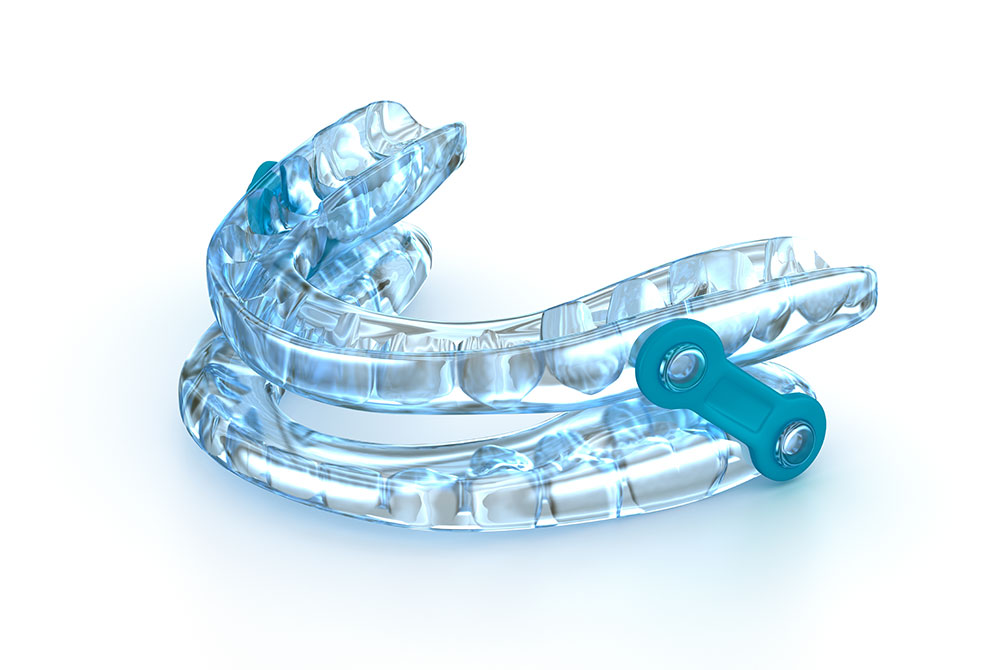
The difference between a custom-fitted Prosomnus device and an over-the-counter mouthguard is the difference between medical-grade treatment and a generic product that rarely helps.
For many patients with mild to moderate sleep apnea, oral appliances can replace CPAP entirely — final approval to switch comes from your sleep physician based on follow-up testing.
Three groups of patients make up most of our dental sleep medicine care.
Mask discomfort, claustrophobia, noise, travel hassle or dry mouth — if CPAP isn’t working for you, a custom appliance is quieter, easier and used more consistently, which is what makes treatment effective.
Loud persistent snoring, waking up gasping, daytime exhaustion, morning headaches or witnessed breathing pauses — we help coordinate a home sleep study with local physicians to get you answers.
Nighttime grinding often connects to airway issues. Combined bruxism-and-apnea devices protect teeth from grinding damage while supporting airway function — one appliance, both problems.
A straightforward process, coordinated with sleep physicians from start to finish.
Dr. Yoon reviews your sleep history, symptoms and medical records. Not yet diagnosed? We coordinate a home sleep study through partnering clinics.
A sleep physician interprets your study and prescribes oral appliance therapy if appropriate — proper medical evaluation always comes first.
Comfortable digital scans — no goopy molds — capture the precise fit for your custom Prosomnus device.
Dr. Yoon fits the device, fine-tunes jaw positioning for comfort, and teaches you how to adjust and care for it.
We monitor progress and coordinate with your sleep physician to confirm the appliance is genuinely improving your breathing and sleep quality.
 Coverage Verified Before Treatment
Oral appliance therapy for sleep apnea is often covered by medical insurance, not dental. We work with a third-party medical billing company to handle claims and maximize your benefits:
Even with insurance, CareCredit and Cherry financing keep treatment accessible with monthly payments.
No. Diagnosis requires a sleep study interpreted by a physician. We identify risk factors and symptoms, then coordinate with local sleep physicians to ensure proper diagnosis before providing oral appliance therapy.
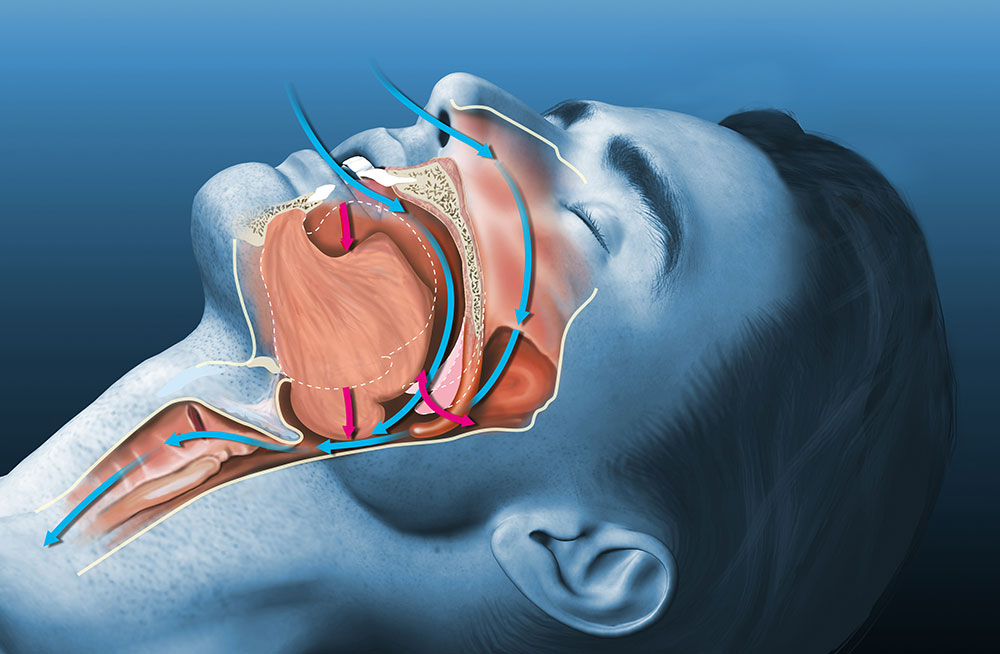
It holds your lower jaw slightly forward during sleep, preventing your tongue and throat tissues from collapsing back and blocking the airway. It’s custom-fitted to your teeth and adjustable — most patients adapt within a few nights.
For many patients with mild to moderate sleep apnea, yes — entirely or substantially. Severe cases may still need CPAP. Your sleep physician makes the call based on your study results and follow-up testing, and we work with them throughout.
Medical insurance often covers it when prescribed by a physician for diagnosed apnea, and Medicare covers qualifying patients. Our third-party medical billing partner verifies coverage, files claims and handles pre-authorization before treatment starts.
Snoring is noise from vibrating throat tissues; sleep apnea is a medical condition where breathing repeatedly stops, reducing oxygen levels. Loud persistent snoring with gasping or breathing pauses suggests apnea and deserves medical evaluation.
Yes, when coordinated with a pediatrician or sleep specialist. Children with airway restrictions, snoring or diagnosed apnea may benefit — and early treatment can prevent developmental issues tied to poor sleep and breathing.
After diagnosis and prescription, fabrication typically takes 2–3 weeks, followed by a fitting appointment. Most patients adapt quickly and notice improved sleep within the first week.
They’re precision-engineered from digital impressions — thinner, more comfortable and clinically proven more effective than generic devices. The adjustable design lets Dr. Yoon fine-tune jaw positioning for optimal airway opening.
22030 7th Ave South #100
Des Moines, WA 98198
| Office Hours | |
|---|---|
| Monday | 8:00 am – 3:30 pm |
| Tuesday | 8:00 am – 3:30 pm |
| Wednesday | Closed |
| Thursday | 8:30 am – 4:00 pm |
| Friday | Closed |
4215 198th Street SouthWest #205
Lynnwood, WA 98036
| Office Hours | |
|---|---|
| Monday | Closed |
| Tuesday | Closed |
| Wednesday | 9:00 am – 4:00 pm |
| Thursday | Closed |
| Friday | Closed |
Book your sleep consultation — we coordinate with sleep physicians, handle the medical insurance billing, and craft a custom device comfortable enough to wear every night.