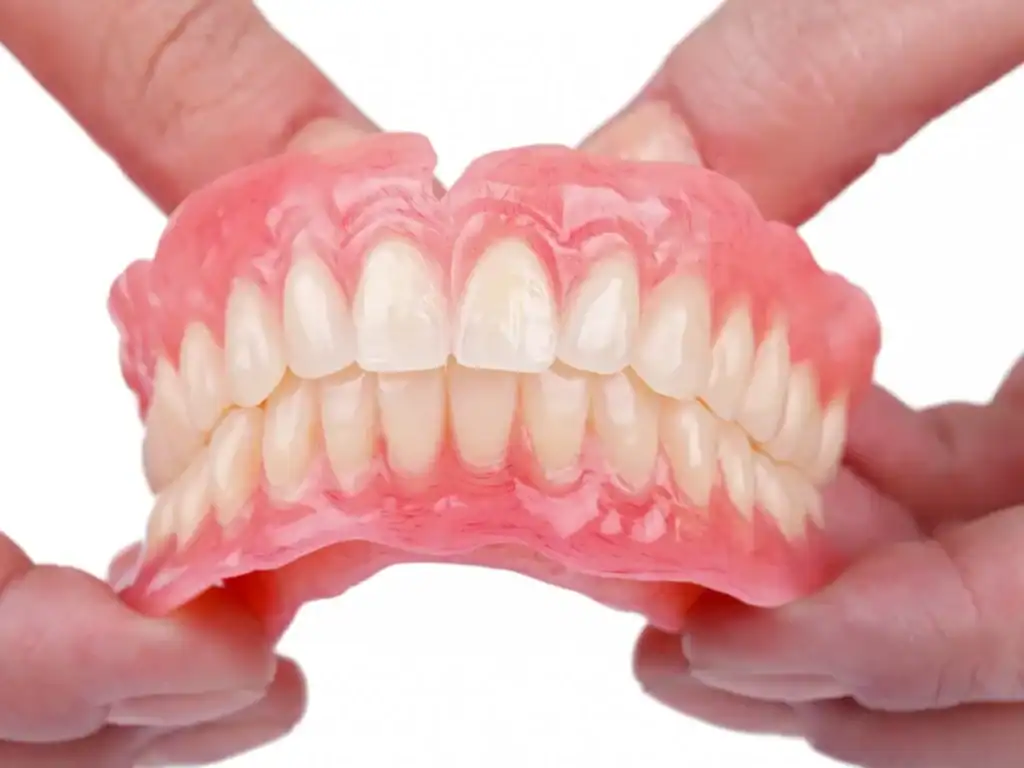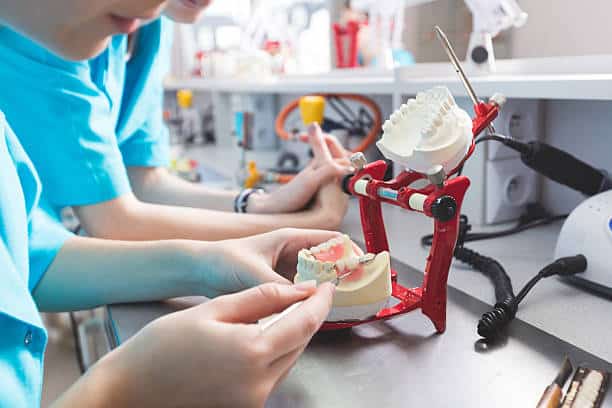
When a patient in Lynnwood needs more than one dental restoration, crowns, bridges, and dental implants should not be planned one tooth at a time. A prosthodontist looks at the whole mouth first. That means evaluating your bite, chewing function, gumline, tooth position, smile appearance, and the long-term durability of any materials before recommending a single restoration.
For patients in Lynnwood, WA and nearby areas like Edmonds, Mountlake Terrace, Bothell, and Everett, prosthodontic treatment planning means every crown, bridge, and implant is designed to work together as a system. That approach changes how treatment is sequenced, how materials are selected, and how long your restorations are likely to last.
If you are dealing with missing teeth, damaged teeth, old crowns, a failing bridge, or a combination of problems, a consultation with a prosthodontist can help you understand what you actually need and why.
Why Crowns, Bridges, and Implants Need to Be Planned Together
Most patients think about dental problems one tooth at a time. One tooth needs a crown. One gap needs an implant. One section needs a bridge. That is a natural way to think about it. But a prosthodontist thinks about those three things as parts of one connected system.
One Dental Restoration Can Affect the Whole Bite
Every restoration changes something. A crown changes the biting surface of a tooth. A bridge changes how chewing pressure is shared across neighboring teeth. An implant crown needs to fit properly against the opposing teeth. If those pieces are not planned together, the bite can feel uneven, restorations can wear faster, and some can fail sooner than expected.
Bite alignment is not a cosmetic issue. It affects how much force each tooth absorbs every time you chew. A crown that sits even slightly too high can cause discomfort, headaches, and problems for nearby teeth. An implant crown that does not fit the bite can put too much stress on the implant itself.
Missing Teeth Can Change the Plan for Crowns and Bridges
When a tooth is missing, neighboring teeth can begin to shift. The tooth on the opposing jaw can move downward or upward to fill the gap. Over time, these changes affect how existing crowns fit and how any future bridge or implant crown will need to be designed.
This is why missing tooth replacement in Lynnwood, WA often needs to be evaluated in the context of surrounding teeth, not in isolation. Replacing a missing tooth is not just about filling a space. It is about protecting the teeth around it.
The Best Treatment Plan Starts With the Final Outcome
Prosthodontic treatment planning works backward from the result. Before a single tooth is prepared or an implant is placed, the prosthodontist asks: What should the final bite look like? How should the teeth meet? Which teeth can be saved? Which missing teeth need replacement? What materials will hold up under the patient’s specific chewing forces?
That outcome-first approach is what separates complex restorative dentistry from treating each problem as it comes up.
What Does a Prosthodontist Consider Before Recommending a Crown, Bridge, or Implant?
Before recommending any restoration, a prosthodontist evaluates several factors that go beyond the obvious damage or gap.
The Condition of Each Tooth
Each tooth is assessed for cracks, large old fillings, decay, existing crowns, root canal history, structural strength, and the condition of the surrounding gum and bone. The question is not just whether a tooth is damaged. It is whether the tooth is worth saving and what it will take to keep it functional long-term.
A tooth with a failed dental crown, a crack that runs below the gumline, or significant bone loss may not be a good candidate for another crown. In those cases, the better plan may involve extraction and tooth replacement.
The Number and Location of Missing Teeth
One missing tooth may be best replaced with a dental implant or, in some cases, a bridge. Several missing teeth may need a combination of implants, an implant-supported bridge, a partial denture, or implant-supported dentures depending on bone support, bite, and patient goals.
Location matters as well. Front teeth require more detailed aesthetic planning because they are visible when speaking and smiling. Back teeth absorb heavier chewing forces, so material strength and bite design carry more weight in those areas.
Bite Alignment and Chewing Pressure
Patients who grind or clench their teeth place significantly higher forces on restorations. If bite alignment is not evaluated before treatment, the wrong material choice or the wrong restoration design can cause crowns, bridges, and implant crowns to fail prematurely. A prosthodontist evaluates wear patterns, how the teeth meet, jaw movement, and chewing pressure before designing any restoration.
Smile Appearance and Tooth Proportion
When front teeth or visible teeth are involved, the shape, size, color, and gumline symmetry of the restorations all affect the final result. Natural-looking dental work means the crown or implant crown does not look isolated from the surrounding teeth. It means the proportions match the patient’s face and the neighboring teeth.
Smile restoration in Lynnwood, WA is not separate from functional restoration. Both need to be considered in the same plan.
Long-Term Maintenance
Some restoration designs are easier to clean and maintain than others. A fixed implant bridge, for example, requires different hygiene habits than a traditional bridge that sits over natural teeth. A prosthodontist factors maintenance, future monitoring, and possible repairs into the plan from the beginning.
How a Prosthodontist Decides Between a Crown, Bridge, and Dental Implant
This is one of the most common questions patients bring to a restorative dentistry consultation. The answer depends on each patient’s specific situation, not a general rule.
When a Dental Crown May Be Recommended
Dental crowns in Lynnwood, WA are typically recommended when the natural tooth is still present but needs protection or structural restoration. Common situations include a broken tooth, a cracked tooth, a tooth with a large old filling, worn teeth from grinding, a tooth after root canal treatment, or a tooth that is structurally weak but still viable.
A prosthodontist crown is designed to restore the tooth’s function, protect what remains, and blend with the surrounding teeth in shape and shade.
When a Dental Bridge May Be Recommended
A dental bridge in Lynnwood, WA replaces one or more missing teeth by using neighboring teeth or dental implants as supports. A traditional bridge may be recommended when the adjacent teeth already need crowns, when the patient is not ready for implant surgery, or when a fixed replacement option is needed without implant placement.
Bridges work well in specific situations, but they do require preparation of the neighboring teeth. That is one of the factors a prosthodontist weighs carefully before recommending one.
When a Dental Implant May Be Recommended
Dental implants in Lynnwood, WA replace the tooth root and support a crown, bridge, or denture above the gumline. Implants are often recommended for a single missing tooth, multiple missing teeth, patients who want a fixed permanent tooth replacement, patients with loose or uncomfortable dentures, and situations where the neighboring teeth are healthy and should not be prepared for a bridge.
A key advantage of an implant is that it does not rely on adjacent teeth for support. That makes it a strong long-term option for many patients, provided there is adequate bone to support the implant.
When More Than One Option May Be Used Together
Complex cases rarely need just one type of restoration. A patient may need a crown on one damaged tooth, a dental implant for a missing tooth in a different area, and a bridge to replace several missing teeth elsewhere. In some full-mouth cases, implant crowns, bridges, and natural tooth crowns all work together within the same bite system.
This is precisely the situation where prosthodontist-led dental care adds the most value. Planning multiple restoration types together prevents the bite problems, aesthetic mismatches, and premature failures that can come from treating each problem separately.
How Crowns and Implants Work Together in a Restorative Plan
An Implant Crown Is Different from a Regular Dental Crown
A regular crown covers a natural tooth. An implant crown attaches to a dental implant through a connector called an abutment and replaces the visible part of a missing tooth above the gumline. The American Academy of Implant Dentistry explains that dental implants act as artificial tooth roots that support a crown, with the abutment connecting the implant to the custom-made replacement tooth above.
Both types of crowns need proper shape, shade, bite, and contour, but implant crowns require special planning around the gumline, the depth of the implant, and the forces placed on the implant. An implant crown specialist designs the crown to look like a natural tooth emerging from the gum, not just a cap sitting on a post.
Ceramic, zirconia, and porcelain implant crowns can all produce natural-looking results. The material choice depends on tooth position, bite forces, and cosmetic needs.
Nearby Natural Teeth May Need Crowns Before or After an Implant
When a patient needs an implant, the neighboring teeth often need attention too. They may be worn, cracked, or already restored with old crowns that no longer fit the bite well. If those neighboring teeth are weak, they can affect how the implant crown is designed and how the final bite comes together.
A prosthodontist plans the implant crown and any adjacent dental crowns together so that the bite, appearance, and long-term function all align.
Crown Materials Should Match Function and Appearance
Material selection depends on where the tooth is, how much force it absorbs, and what the cosmetic priorities are. Ceramic and porcelain options work well for visible teeth because of their natural appearance. Zirconia offers additional strength for teeth that absorb heavier chewing forces. The prosthodontist selects materials based on the patient’s full bite picture, not just the individual tooth.
How Bridges and Implants Work Together in a Restorative Plan
A Traditional Bridge May Be Better in Some Cases
A traditional dental bridge can be an effective solution when the adjacent teeth already need crowns, when bone support is not sufficient for implants, or when the patient prefers to avoid implant surgery. The decision to use a bridge versus an implant is not always simple. A prosthodontist weighs the condition of the supporting teeth, the bite, the patient’s health, and long-term maintenance before making a recommendation.
An Implant Bridge May Replace Several Missing Teeth
When several missing teeth are in the same area, an implant-supported bridge can replace multiple teeth without placing an implant for each one. The number and location of implants used to support the bridge depend on bite forces, available bone, and the design of the restoration.
Dental implants in Lynnwood used to support a bridge can provide a fixed, non-removable solution for patients who are missing several consecutive teeth and want something that functions more like natural teeth.
A Failing Bridge May Change the Implant Plan
Old dental bridges can loosen, develop decay around the supporting teeth, or break. When the teeth supporting a bridge are no longer strong enough, the entire bridge may need to be replaced. In those situations, implants may become a better long-term option than placing another bridge on compromised teeth.
A prosthodontist evaluates whether an old bridge can be replaced with a similar design or whether an implant-supported solution would serve the patient better based on the current condition of the supporting teeth and the bone beneath.
Why Bite Planning Matters for Crowns, Bridges, and Implants
Bite planning is one of the most important and least talked-about parts of restorative dentistry. Restorations have to survive real chewing forces, day after day. A plan that ignores the bite is a plan built on an unstable foundation.
Uneven Bite Forces Can Damage Restorations
When a crown sits even slightly too high, it takes more force than intended every time the patient bites down. Over time, that crown can crack, the tooth underneath can become sensitive, and adjacent teeth can shift. The same applies to bridges and implant crowns. Too much force concentrated in one area can loosen a bridge, stress the teeth supporting it, or place excessive load on an implant.
Patients who grind or clench their teeth face an even higher risk. Bruxism increases the force placed on every restoration, which is why bite evaluation before treatment and a nightguard after treatment can both be important parts of the plan.
A Prosthodontist Evaluates How Teeth Meet Before Designing Restorations
Before any crown, bridge, or implant crown is designed, a prosthodontist evaluates bite marks, wear patterns, jaw movement, the position of opposing teeth, and any existing restorations. This information shapes the height, shape, and material of every restoration.
Patients who come in saying their crown feels too high, their implant crown feels uncomfortable, or their bridge does not feel right are often experiencing the result of bite planning that was not done thoroughly at the start.
Bite Guards or Phased Treatment May Be Recommended
If grinding or clenching is a concern, a nightguard may be recommended to protect new restorations after treatment. In more complex cases, phased treatment may stabilize the bite before final restorations are placed. Patients with a collapsed bite or significant tooth wear may need full mouth reconstruction to restore the proper bite height before individual crowns or implants can be completed.
How a Prosthodontist Plans Restorations for Natural-Looking Results
Function and appearance are not separate goals. A well-planned restoration should look like a natural tooth and work like one.
Crowns, Bridges, and Implants Should Match the Whole Smile
When planning dental crowns and bridges in Lynnwood, a prosthodontist considers shade, shape, tooth size, gumline position, the smile line, adjacent teeth, and facial balance. A crown or implant crown that does not match the surrounding teeth in color and shape will stand out, even if it functions well.
Natural-looking dental work means the restoration fits into the smile as if it was always there.
Front Teeth Require More Aesthetic Detail
Front tooth crowns and implant crowns are visible every time a patient speaks or smiles. Color matching, translucency, surface texture, and gumline symmetry all affect whether the restoration looks natural. The implant crown should emerge from the gumline the way a natural tooth does. If the gumline is uneven around the implant, the result can look artificial even if the crown itself is well-made.
Smile restoration in Lynnwood, WA for front teeth requires close attention to every detail of the final appearance.
Back Teeth Require More Strength and Chewing Support
Molars and premolars absorb the heaviest chewing forces. For back teeth, material strength and bite design carry more importance than they do for front teeth, though appearance still matters. A zirconia crown or implant crown in the back of the mouth can provide both strength and a natural tooth-colored appearance.
How Digital Planning Helps Coordinate Crowns, Bridges, and Implants
Modern technology helps prosthodontists plan more precisely before any treatment begins.
Digital Scans Can Help Capture Tooth Shape and Bite
Digital impressions capture the surfaces, shapes, and bite relationship of the teeth without the discomfort of traditional impression trays. This information helps design crowns, bridges, and implant crowns that fit accurately and communicate the details to the dental lab.
3D Imaging May Help Plan Dental Implants
CBCT scans produce three-dimensional images of the jaw, bone density, and anatomical structures. This type of 3D dental imaging allows a prosthodontist to plan implant placement with precision, evaluate whether there is adequate bone to support an implant, and design a restoration-driven treatment plan before surgery begins.
Restoration-driven implant planning means the implant is placed where the final crown needs it to be, rather than placing the implant wherever it is easiest and then designing the crown around it.
Digital Smile Design Can Help Plan Visible Restorations
For cases involving front teeth, multiple crowns, or full-mouth treatment, digital smile design tools help visualize tooth proportions, shade, and symmetry before any teeth are prepared. This is especially useful for patients who want to understand what their result will look like before committing to treatment. Cosmetic dentistry and smile design at Blooming Dental uses these tools to connect appearance planning with functional planning.
When Crowns, Bridges, and Implants Become Part of Full Mouth Reconstruction
Multiple Failing Teeth May Need a Larger Plan
Some patients come in with one or two problems. Others come in with several failing crowns, missing teeth in multiple areas, worn teeth from years of grinding, old bridges that no longer fit, and a bite that has shifted over time. When problems are widespread, individual restorations may not be enough.
Full mouth reconstruction in Lynnwood, WA addresses the entire mouth as a system. It may include crowns, bridges, dental implants, implant-supported dentures, and bite correction, depending on what each patient needs.
Full Mouth Reconstruction Coordinates Function and Appearance
A full mouth reconstruction plan coordinates every part of the treatment, including which teeth get crowns, where implants are placed, whether bridges or implant-supported dentures are better for missing sections, how the bite is restored, and how the final smile looks. The goal is a result that functions comfortably, looks natural, and holds up over time.
Phased Treatment Can Help Prioritize the Most Important Problems First
Not every patient can or wants to complete all treatment at once. Phased dental treatment allows the most urgent problems to be addressed first, stabilizing the mouth before completing final restorations. A typical sequence might start with treating infection or decay, then stabilizing broken or damaged teeth, then planning and placing implants, then completing final crowns and bridges, and finally protecting the result with a maintenance plan.
A personalized treatment sequence helps patients manage both the process and the cost over a realistic timeline.
When Should Lynnwood Patients See a Prosthodontist for Crowns, Bridges, and Implants?
You Need More Than One Dental Restoration
If you have been told you need multiple crowns, a bridge and an implant, or several restorations across different areas of the mouth, a prosthodontist can help you understand how those pieces work together. Treating them individually without a coordinated plan can lead to bite problems, aesthetic mismatches, and restorations that do not last as long as they should.
You Have Missing Teeth and Damaged Teeth at the Same Time
When missing teeth and damaged teeth exist together, the planning becomes more complex. Missing teeth affect the position of neighboring teeth and the load placed on remaining ones. Damaged or weakened teeth affect how bridges and implant crowns can be designed. A prosthodontist evaluates the full picture before recommending a treatment sequence.
Your Old Crowns or Bridge Keeps Failing
Crowns and bridges that keep breaking, loosening, or falling off are often a sign of an underlying bite or structural problem, not just a material failure. A prosthodontist can evaluate the whole system to find out whether the bite is contributing to the failures, whether the supporting teeth are strong enough, or whether the restoration design needs to be reconsidered.
You Want a Smile That Looks Natural and Functions Comfortably
Restoring function and restoring appearance are not competing priorities. They are two parts of the same goal. A prosthodontist plans restorations that look natural and work correctly together, so patients do not have to choose between how their smile looks and how it feels.
You Are Considering Dental Implants but Also Have Other Dental Work
Implant treatment does not happen in isolation. The implant crown needs to fit the bite, complement neighboring teeth, and work with any existing crowns or bridges. Patients who need implants and have other dental work that also needs attention will get better results from a treatment plan that addresses everything together rather than one piece at a time.
Patients across Snohomish County, including those near Mukilteo, Mill Creek, Shoreline, and Everett, travel to see a dental specialist in Lynnwood, WA for this type of coordinated care.
What Happens at a Restorative Consultation in Lynnwood?
Your Teeth, Bite, and Existing Dental Work Are Evaluated
At Blooming Dental in Lynnwood, a restorative dentistry consultation includes a full evaluation of your existing crowns, bridges, missing teeth, damaged teeth, bite wear, gum and bone support, and smile goals. Chewing concerns and any discomfort with current dental work are part of the conversation. Dentures or partials, if present, are evaluated as well.
Your Crown, Bridge, and Implant Options Are Compared
After the evaluation, the prosthodontist reviews which teeth can be saved, which missing teeth need replacement, and whether crowns, bridges, dental implants, or implant-supported dentures are the right fit for your situation. Treatment sequencing is discussed, including whether phasing the treatment over time makes sense.
A Personalized Treatment Sequence Is Created
A dental treatment plan from Blooming Dental outlines each step in order, typically starting with treating any active decay or infection, moving through stabilizing damaged teeth, planning and placing implants where needed, completing final crowns and bridges, and ending with a plan for long-term maintenance. Patients leave the consultation with a clear picture of what the treatment involves, how long it will take, and what to expect at each phase.
How Much Do Crowns, Bridges, and Implants Cost in Lynnwood?
Cost Depends on the Number and Type of Restorations
The cost of crowns, bridges, and dental implants in Lynnwood, WA depends on how many restorations are needed, the type of bridge or implant solution recommended, the materials selected, the complexity of the bite, whether digital imaging is required, and whether treatment is phased over time. There is no single price that fits every case because no two cases are the same.
Implant Costs and Crown Costs Are Usually Separate Parts of Treatment
Dental implant treatment typically involves separate costs for the implant surgery, the abutment, and the implant crown. Additional imaging such as a CBCT scan, bone grafting if needed, and follow-up maintenance are also part of the overall cost picture. Understanding the full sequence of treatment helps patients plan for the investment.
Insurance Coverage Varies by Treatment Type
Some dental insurance plans may help cover portions of crown or bridge treatment. Coverage for dental implants and more complex restorative cases varies widely depending on the plan. Patients are encouraged to bring their insurance information to the consultation so the team can help clarify what may or may not be covered. Financing and payment options are available to help patients manage the cost of treatment over time.
FAQs About Crowns, Bridges, and Implants in Lynnwood
Can crowns, bridges, and implants be planned together?
Yes. Crowns, bridges, and implants can be planned together when a patient has missing teeth, damaged teeth, old dental work, or bite problems affecting more than one area of the mouth. Planning them as a connected system helps protect the bite and produces more consistent long-term results.
What does a prosthodontist do with crowns, bridges, and implants?
A prosthodontist plans how crowns, bridges, and implants fit into the bite, smile, and long-term function of the whole mouth. The goal is to restore damaged or missing teeth in a coordinated way rather than addressing each problem in isolation.
Is a dental implant better than a bridge?
A dental implant may be the better choice in some situations, while a bridge may be better in others. The right option depends on the location of the missing tooth, the condition of adjacent teeth, bone support, bite forces, cost, and the patient’s treatment goals.
Can a dental bridge be replaced with implants?
Yes, some failing or old dental bridges can be replaced with implants when the patient has adequate bone support and meets the criteria for implant treatment. A consultation is needed to evaluate the condition of the supporting teeth, the available bone, and the bite before a recommendation can be made.
What is the difference between an implant crown and a regular crown?
A regular crown covers a natural tooth that is still in place. An implant crown attaches to a dental implant through an abutment and replaces the visible part of a missing tooth above the gumline.
Why does bite alignment matter for crowns and implants?
Bite alignment affects how much force each restoration absorbs. Uneven chewing forces can stress crowns, bridges, and implants, making them more likely to feel uncomfortable or fail over time. A balanced bite helps restorations function more predictably.
Can a prosthodontist fix failing crowns or bridges?
A prosthodontist can evaluate why crowns or bridges are failing and determine whether they should be repaired, replaced, redesigned, or included in a larger restorative plan that addresses the underlying cause.
Do I need a prosthodontist for multiple crowns?
A prosthodontist is often the right specialist when multiple crowns are needed, especially if the case involves bite problems, missing teeth, implants, old dental work, or cosmetic concerns alongside the restorative work.
How long does crown, bridge, and implant treatment take?
Treatment time depends on the number of teeth involved, whether implants are needed, healing time after implant surgery, lab work for custom restorations, and whether treatment is phased. A consultation provides the most accurate timeline for each patient’s specific situation.
How much do crowns, bridges, and implants cost in Lynnwood?
Cost depends on the type and number of restorations, materials, imaging, lab work, implant needs, and overall case complexity. A personalized estimate is provided after a full examination. Financing options are available to help patients plan for treatment.
Schedule a Crowns, Bridges, and Implant Consultation in Lynnwood, WA
If you need crowns, bridges, dental implants, or a combination of treatments, Blooming Dental can help you understand the full picture. Our Lynnwood team includes a prosthodontist with more than 30 years of experience and over 5,000 implant cases, providing restorative dentistry in Lynnwood, WA that coordinates every restoration as part of a complete treatment plan.
We evaluate your teeth, bite, existing dental work, missing teeth, and smile goals to build a plan that addresses function, comfort, and appearance together. Patients from Lynnwood, Edmonds, Mountlake Terrace, Bothell, Everett, Shoreline, Mukilteo, Mill Creek, and across Snohomish County come to Blooming Dental for specialist-level restorative care.
Schedule a consultation in Lynnwood, WA to learn which options may be right for your situation
Request an appointment at our Lynnwood office or call (253) 544-3429 to get started.

Schedule a consultation and leave with a clear, personalized plan — including what insurance covers and what financing looks like.